

India’s electric vehicle market is creating new opportunities for businesses across transportation, energy and commercial infrastructure. As more electric vehicles hit the road, the need for reliable charging facilities continues to grow. Consequently, petrol pump owners, fleet operators, charging network companies and commercial property owners are exploring DC fast charging solutions.
However, choosing the right equipment involves more than comparing prices and charging speeds. The manufacturer you select can affect installation costs, charging performance, maintenance requirements and the long-term growth of your business.
So, how do you choose the right DC fast charger manufacturer in India? Here are seven important factors to consider before making your investment.
1. Choose a Manufacturer That Understands Your Business Needs
First, identify where you plan to install the chargers and which vehicles you expect to serve. Different locations have different charging requirements. Therefore, a charger that works well at a fleet depot may not suit a busy highway charging station.
For example, highway charging stations need to serve vehicles quickly, while commercial parking facilities may experience more predictable charging demand. Similarly, fleet operators must consider vehicle schedules, daily travel distances and the time available between trips.
Before contacting manufacturers, define your expected daily usage, available electrical capacity, installation space and expansion plans. Then ask potential suppliers to recommend equipment based on these requirements.
A knowledgeable manufacturer should explain why a particular charger suits your application. They should also help you understand any limitations instead of simply recommending the highest power rating.
2. Check the Charger Power Rating and Connector Compatibility
Charger specifications directly affect vehicle compatibility and charging performance. Therefore, evaluate the available power ratings and connector options before choosing a manufacturer.
DC fast chargers convert alternating current into direct current within the charging equipment. They then deliver DC power to the vehicle’s battery system. This allows compatible vehicles to charge faster than they typically would with AC charging.
However, higher power does not always mean faster charging in every situation. The vehicle’s battery, charging limits, battery temperature and current state of charge also influence the actual charging speed.
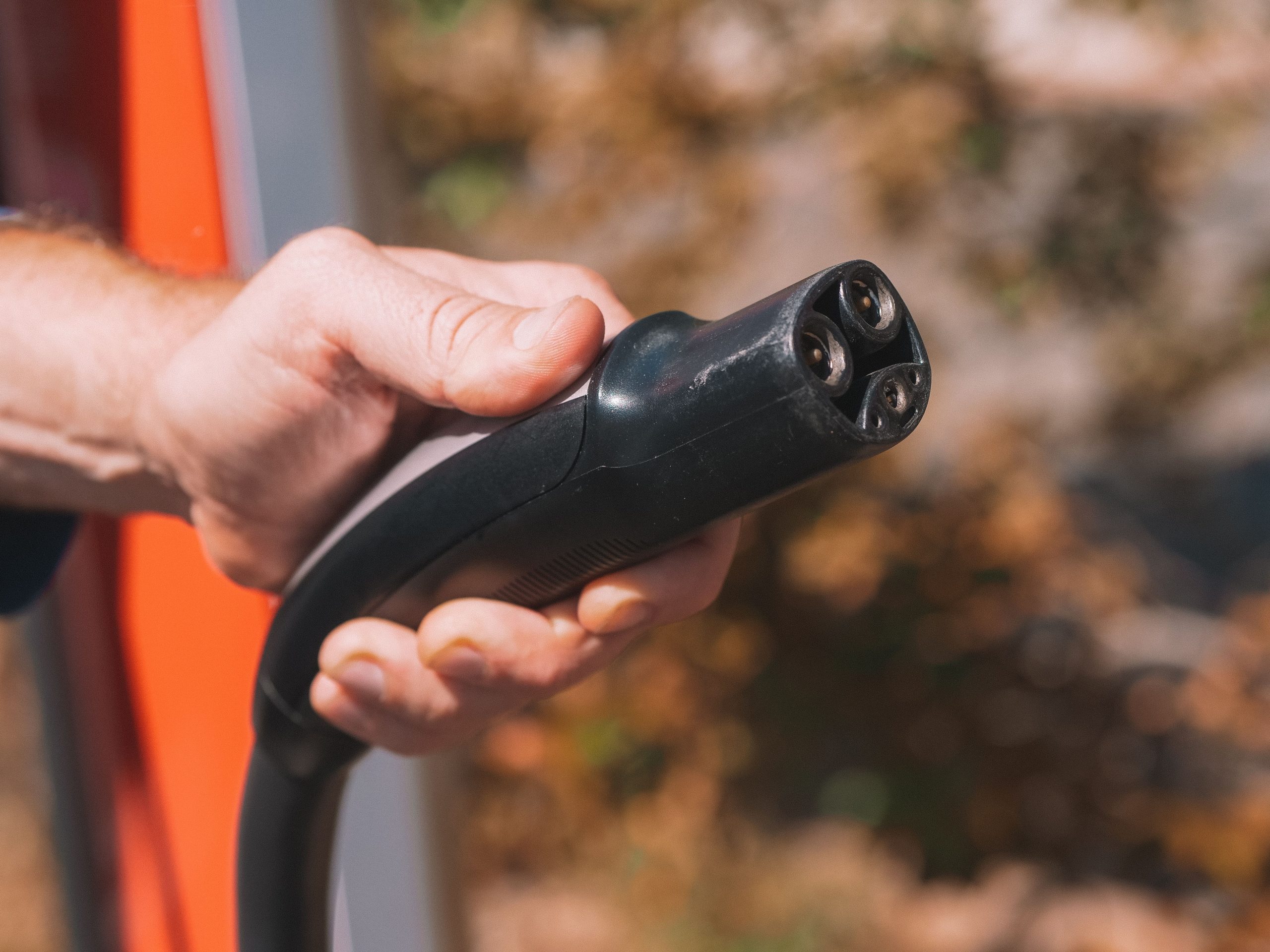
In India, CCS2 is a key connector standard for DC charging electric cars. However, certain commercial vehicles and specialised fleets may require GB/T or other compatible configurations. Always confirm the connector requirements of the vehicles you intend to serve.
Also, check whether the manufacturer offers suitable power options, single or dual charging guns, and configurations for your intended application. These details help you avoid buying equipment that does not match your customers’ needs.
3. Evaluate Safety Standards and Product Quality
A DC fast charger handles significant electrical power. Therefore, product safety and documented quality checks should be central to your decision.
Ask the manufacturer about its testing procedures, quality controls and applicable Indian standards. Request the relevant compliance documents for the exact charger model you intend to purchase.
Next, examine the protection features. Depending on the model, these may include overcurrent protection, short-circuit protection, surge protection, temperature monitoring and earth fault detection.
The installation environment matters too. Outdoor charging stations face dust, rain, heat and changing weather conditions. Consequently, check the enclosure’s ingress protection rating and the operating temperature range specified by the manufacturer.
Do not rely on general claims such as premium quality or advanced safety. Instead, request technical datasheets, test reports and supporting documentation.
A manufacturer that provides clear technical information makes it easier for your team to evaluate the product and plan a safe installation.
4. Check OCPP Compatibility and Smart Charging Features
Modern charging infrastructure often relies on software to manage charging sessions, monitor equipment and identify faults. Therefore, software compatibility deserves as much attention as the physical charger.
The Open Charge Point Protocol, commonly known as OCPP, allows compatible charging stations to communicate with charging management systems.
Before selecting a manufacturer, ask which OCPP version the charger supports and whether it works with your preferred charging management platform. Also, confirm that the specific features you need are available and have been tested.
For instance, a charging business may need remote monitoring, RFID authentication, fault alerts, charging session records and remote diagnostics. Fleet operators may also benefit from load management features that help coordinate charging across several vehicles.
Furthermore, check the available connectivity options, such as Ethernet, Wi-Fi or cellular networks. Reliable connectivity helps operators monitor equipment and respond to problems more quickly.
Remember that protocol support alone does not guarantee compatibility with every software platform. Confirm integration requirements before placing a large order.
5. Compare the Total Cost of Ownership
The initial charger price is important, but it does not tell you the full cost of running a charging station.
For example, a low-cost charger may require additional electrical work, expensive software integration or frequent service visits. As a result, the apparent savings may disappear over time.
Instead, compare the total cost of ownership. This includes the charger, installation, electrical upgrades, software fees, maintenance, spare parts and connectivity costs.
Your electricity connection also deserves attention. High-power DC chargers may require substantial electrical capacity, depending on their ratings and the existing site infrastructure. Consequently, you should assess the available sanctioned load, transformer capacity and potential connection upgrades before finalising the equipment.
In addition, consider how frequently you expect customers to use the charger. A high-power unit may make sense at a busy highway location, but the same investment may be harder to justify at a site with limited demand.
Ask manufacturers for a detailed quotation that separates equipment costs from installation assumptions and ongoing expenses. This makes it easier to compare suppliers fairly and estimate your investment more accurately.
6. Assess Manufacturing Capacity and Customisation Options
Your supplier should be able to support both your initial requirements and your future expansion plans. Therefore, investigate manufacturing capacity, delivery timelines, component availability and the ability to maintain consistent product specifications.
If you plan to install several chargers, ask whether the manufacturer can fulfil repeat orders within agreed timelines. You should also understand how the company handles spare parts, product updates and changes in component availability.
For businesses entering the EV charging market, customisation can be another important consideration. Some manufacturers offer OEM or white-label arrangements that allow businesses to sell chargers under their own brand.
Depending on the agreement, these arrangements may include custom branding, packaging, product documentation and selected hardware or software configurations.
However, confirm exactly what the manufacturer can customise. Adding a logo does not necessarily mean the company can redesign the hardware or modify its software.
If you plan to build your own charging equipment brand, review the manufacturer’s production capabilities, minimum order quantities, sample testing process and warranty responsibilities before signing an agreement.
7. Prioritise After-Sales Support and Maintenance
Even a well-designed charger may occasionally need servicing, software updates or replacement components. Therefore, evaluate the manufacturer’s support arrangements before making a purchase.
Ask about warranty coverage, spare parts availability, troubleshooting procedures and the process for reporting technical faults. Also, clarify whether the manufacturer provides remote support, installation guidance or technical training for your team.
For public charging stations, downtime can affect customer satisfaction and charging revenue. Similarly, fleet operators may face operational delays if a charger becomes unavailable when vehicles need to return to service.
As a result, a clear maintenance process can be just as valuable as an attractive purchase price.
Get warranty terms, service responsibilities and expected response times in writing. If possible, begin with a pilot installation before deploying chargers across multiple locations. This allows you to evaluate the equipment and the manufacturer’s responsiveness under real operating conditions.
Final Thoughts
Choosing a DC fast charger manufacturer in India requires careful evaluation of product specifications, safety, software compatibility, operating costs and long-term support.
First, identify your site’s charging requirements. Next, compare suitable power ratings and connectors, verify the relevant technical documentation, and confirm that the equipment works with your charging management system. Finally, evaluate the manufacturer’s production capacity, warranty terms and ability to support future expansion.
Most importantly, look beyond the initial quotation. The right manufacturing partner should help you select equipment that fits your business requirements today while leaving room for future growth.
 subash