

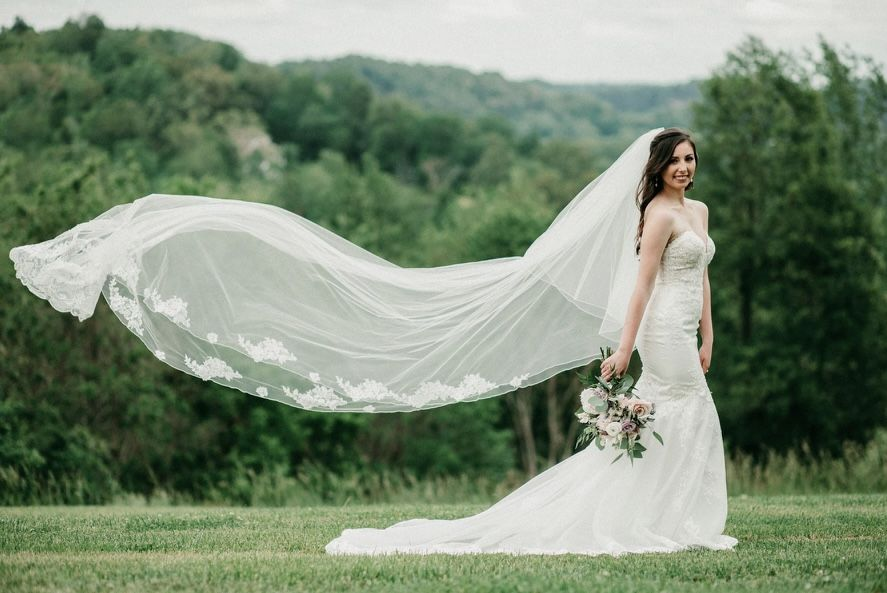
For decades, the wedding dress has been viewed as a garment meant for a single moment. Brides would carefully select a gown for the ceremony, wear it for a few hours, and then store it away as a keepsake. While the emotional value of a wedding dress remains undeniable, modern brides are beginning to rethink how bridal fashion fits into their lives beyond the wedding day.
Today’s bridal fashion landscape is shifting toward versatility and longevity. Many brides are searching for designs that feel meaningful not just during the ceremony but also long after the celebrations end. This changing mindset has contributed to the growing popularity of ethical bridal wear, where sustainability, thoughtful design, and long-term usability are considered just as important as beauty and craftsmanship.
Designers such as Agaati are helping shape this evolving perspective by focusing on bridal garments that combine timeless elegance with responsible production. Instead of treating a wedding dress as a one-time outfit, modern bridal fashion increasingly celebrates garments that can continue to hold value for years to come.
The idea of multi-occasion bridal fashion reflects a broader transformation in how brides approach wedding attire, one that values creativity, practicality, and sustainability.
The Evolution of the Modern Bridal Wardrobe
Weddings today are no longer limited to a single ceremony followed by a reception. Many celebrations now extend across several events, including engagement parties, mehendi or pre-wedding gatherings, rehearsal dinners, and post-wedding celebrations.
This expansion of wedding events has naturally influenced the way brides think about their wardrobes. Instead of focusing on just one elaborate gown, brides are building complete bridal wardrobes that include multiple garments suited to different occasions.
Within this new approach, versatility has become an essential quality in bridal design. Dresses that can be styled differently or worn in various settings offer brides greater freedom and creativity. This concept aligns closely with the principles of ethical fashion, where garments are designed with longevity and adaptability in mind.
Bridal designers are increasingly responding to this demand by creating dresses that balance traditional bridal elegance with practical design elements.
Designing Bridal Dresses with a Second Life
One of the most compelling aspects of modern bridal fashion is the idea that a wedding dress can have a life beyond the wedding day. Instead of remaining hidden in storage, thoughtfully designed gowns can be repurposed for future celebrations.
Some dresses are created with detachable elements such as overskirts, capes, or sleeves, allowing the bride to transform the look into something entirely different. A dramatic ceremony gown can easily become an elegant evening dress once these elements are removed.
Other bridal garments are intentionally designed with simpler silhouettes that can be restyled for anniversaries, formal gatherings, or cultural celebrations. This approach ensures that the dress remains relevant and wearable long after the wedding.
By designing dresses that can evolve over time, bridal fashion becomes more sustainable and meaningful.
The Influence of Conscious Bridal Consumers
The growing popularity of multi-occasion bridal fashion is closely connected to the values of modern consumers. Brides today are more informed about sustainability and ethical production practices within the fashion industry.
Rather than purchasing garments that are worn once and forgotten, many brides are prioritising thoughtful investments that reflect their personal values. Designers like Agaati understand this shift and are embracing it by creating bridal wear that balances aesthetics with responsibility.
This approach resonates with brides who want their wedding attire to align with their beliefs about sustainability, craftsmanship, and mindful consumption. When a dress is created with these values in mind, it becomes more than just a garment—it becomes a meaningful symbol of conscious celebration.
Craftsmanship That Supports Longevity
Versatile bridal fashion relies heavily on exceptional craftsmanship. Dresses that are intended to last beyond the wedding day must be constructed with careful attention to detail and high-quality materials.
Fine fabrics such as silk, organza, and handwoven textiles provide both durability and elegance. Skilled artisans ensure that seams, embroidery, and structural elements are crafted with precision, allowing the garment to maintain its beauty over time.
The emphasis on craftsmanship also highlights the importance of slower production processes. Instead of prioritising quantity, designers focus on creating garments that reflect artistry and dedication.
This commitment to quality ensures that bridal dresses retain their value and charm long after the wedding celebrations have ended.
Emotional Value Beyond the Wedding Day
While practicality and sustainability are important aspects of multi-occasion bridal fashion, the emotional significance of a wedding dress remains central to its appeal.
Wedding dresses often hold deep sentimental value, representing one of the most meaningful days in a person’s life. When a dress can be worn again for future celebrations, it allows those memories to be revisited and celebrated in new ways.
Some brides choose to wear their bridal dress for milestone anniversaries, family gatherings, or cultural events. Others pass down their garments to future generations, transforming the dress into a cherished family heirloom.
In this way, the concept of multi-occasion bridal fashion enhances the emotional connection between the bride and her dress.
A Thoughtful Bridal Design Over the Years
The evolution of bridal fashion reflects broader cultural changes in how people approach style, sustainability, and personal expression. As brides continue to prioritize meaningful choices, the demand for versatile and responsibly produced bridal garments is expected to grow.
Designers are increasingly exploring creative ways to combine timeless aesthetics with adaptable design. From detachable elements to minimalist silhouettes that transition effortlessly between occasions, the future of bridal fashion is becoming more innovative and thoughtful.
This movement also highlights the growing importance of ethical production practices within the bridal industry. When craftsmanship, sustainability, and emotional value are brought together, the result is a bridal garment that feels truly special.
Ultimately, modern bridal fashion is moving beyond the idea of a dress worn for a single day. Instead, it is embracing garments that continue to hold beauty, purpose, and meaning throughout a lifetime of celebrations.
 outwaynetwork